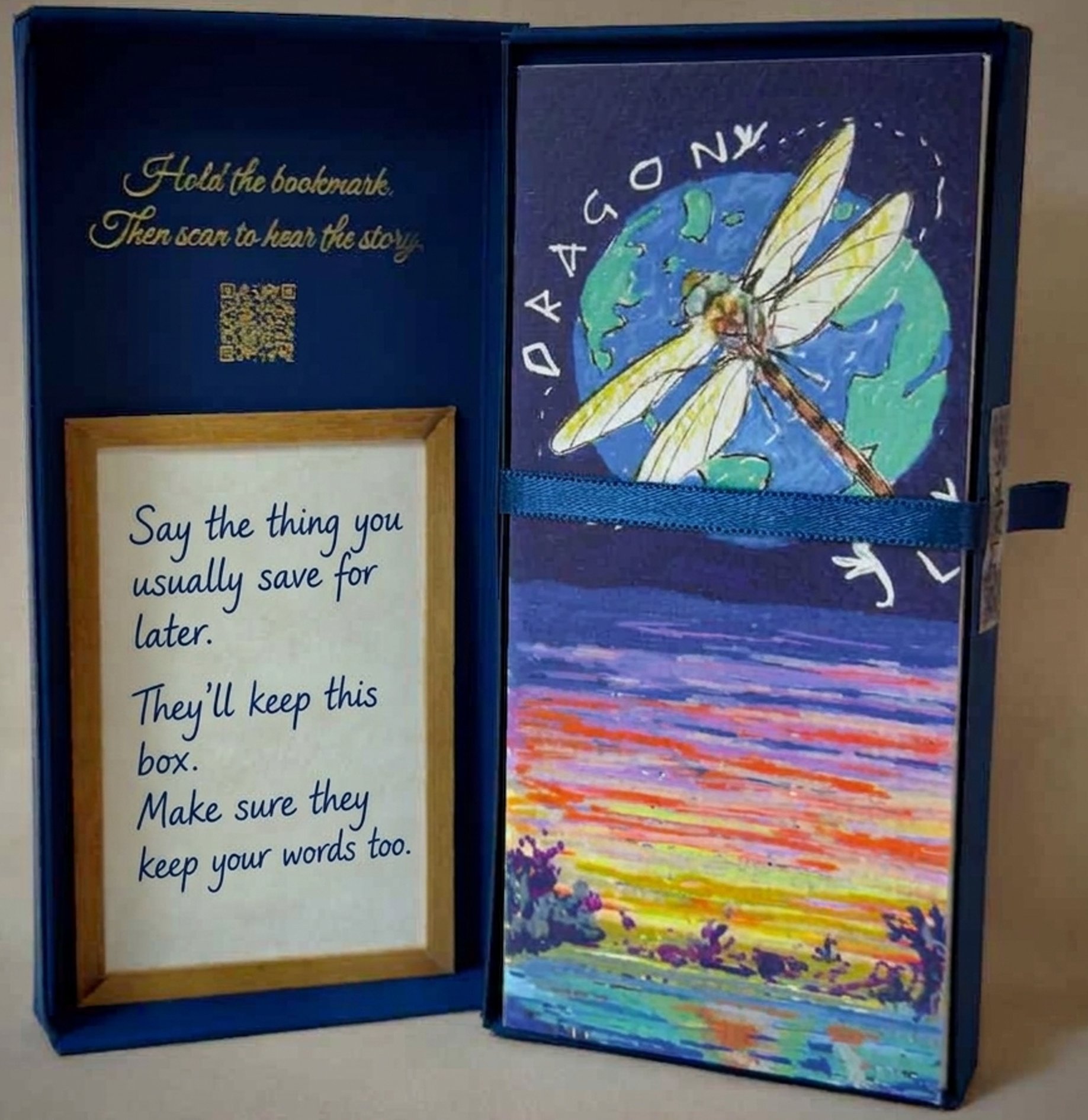
Write your message. Peel the back. Stick it to the inside of the lid.
Every time they open the box, they'll see your words.
The card is blank. The feeling isn't. Start here.
Write your message. Peel the back. Stick it to the inside of the lid.
Every time they open the box, they'll see your words.
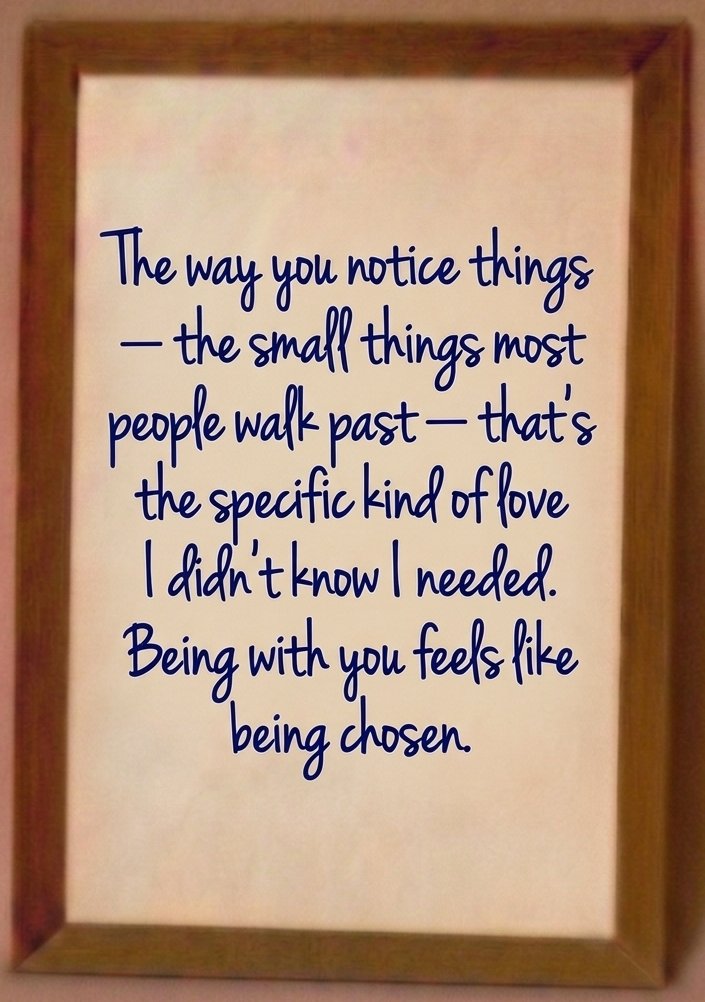
The way you notice things — the small things most people walk past — that's the specific kind of love I didn't know I needed. Being with you feels like being chosen.
The most specific detail is always the most romantic. Generic warmth is easy. Precise observation is rare.
"The way you…"
"Most people don't see…"
"Being near you feels like…"
Not what they mean to you — what you discovered about who you are because of them.
"Before you, I didn't know I…"
"You made something possible in me that…"
"I understand myself better because…"
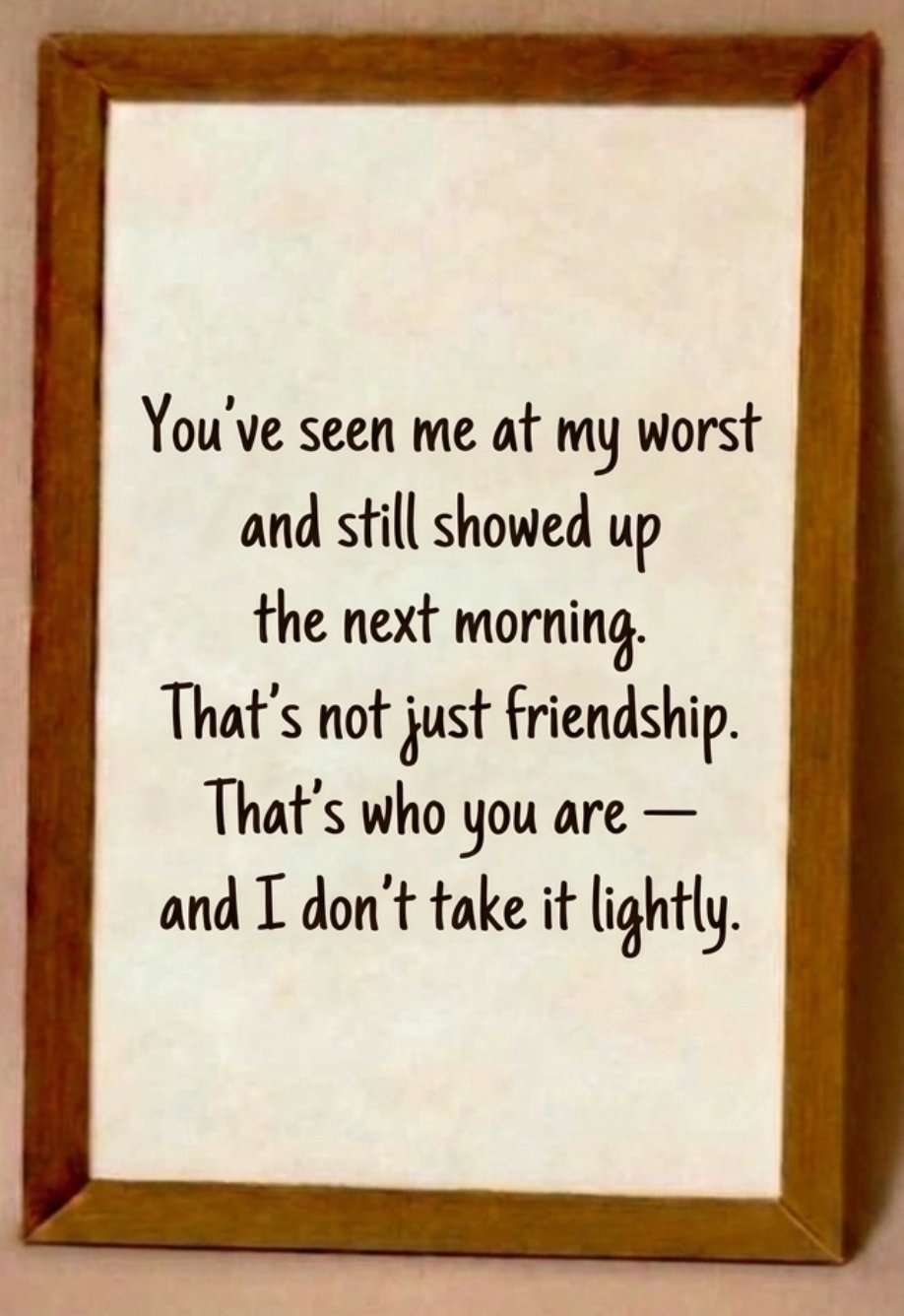
You've seen me at my worst and still showed up the next morning. That's not just friendship. That's who you are — and I don't take it lightly.
Friendships carry years of unsaid things. A gift card is the right-sized space for one of them.
"You've seen me at my worst and…"
"There's a version of me that only exists because…"
"I don't think you know how much…"
Loyalty is shown in small, unannounced acts. Name one. That's the whole card.
"The day I needed someone and didn't say so, you…"
"You showed up without being asked. More than once…"
"That's the kind of friend you are, and I…"
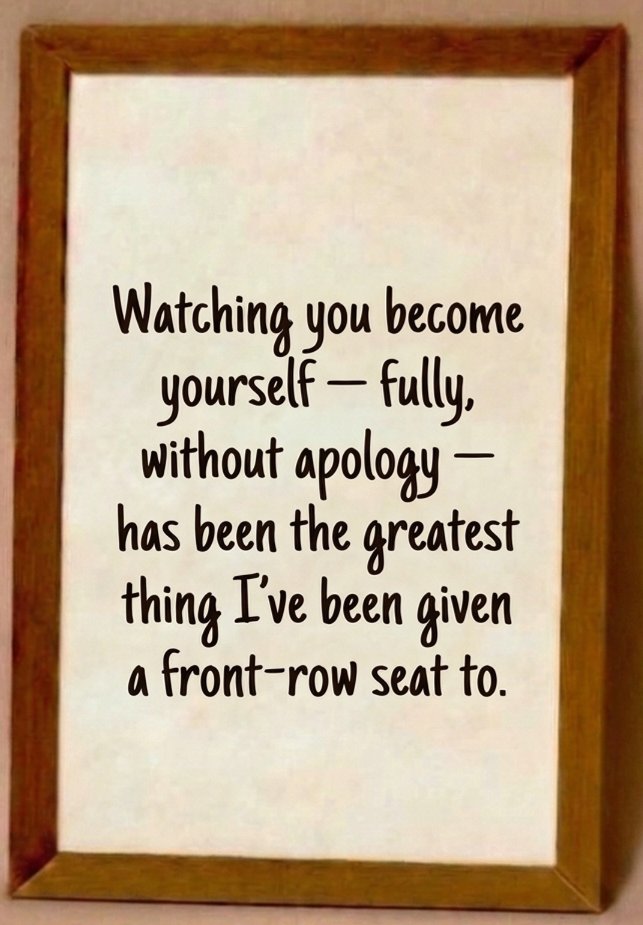
Watching you become yourself — fully, without apology — has been the greatest thing I've been given a front-row seat to.
Children teach their parents things parents rarely name out loud. This is the moment to name it.
"Watching you become…"
"I didn't expect to learn something from…"
"You have become more fully yourself than…"
Not advice. Not a wish. Something specific you've observed in them that you want them to know you saw.
"I've watched you handle…"
"There's a quality in you that I've never told you I noticed…"
"Carry that with you. It's one of the best things you have…"
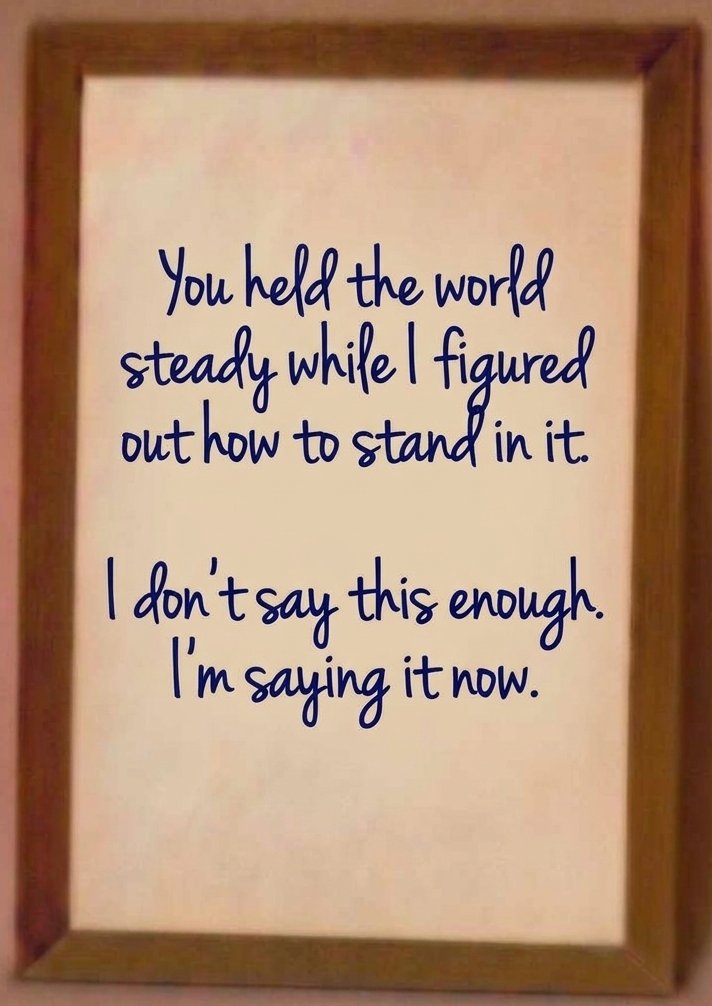
You held the world steady while I figured out how to stand in it. I don't say this enough. I'm saying it now.
Adult children often see their parents differently than they did growing up. Say the thing that took years to understand.
"I didn't understand until I was older that…"
"You were doing something I couldn't name then…"
"There's a word for what you gave me — I just didn't have it yet…"
The unacknowledged sacrifice. The thing that held things together. Name it.
"You did it without asking to be seen…"
"I noticed. I just didn't know how to say so…"
"I'm saying it now because it deserves to be said…"
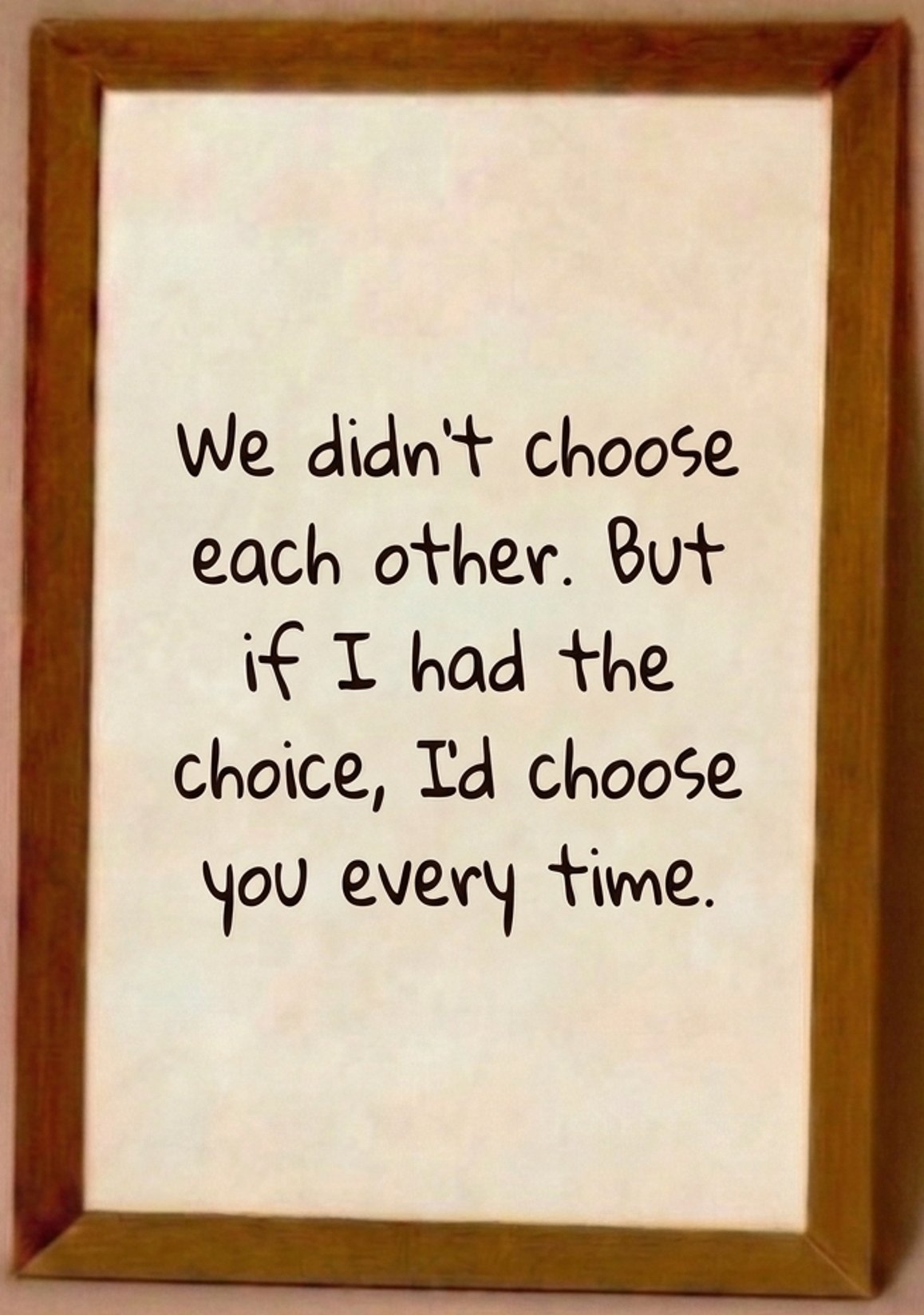
We didn't choose each other. But if I had the choice, I'd choose you every time.
Sibling language is private. A shared reference, a running joke, a specific memory — that's the material. Use it.
"Nobody else would get why…"
"Growing up alongside you taught me…"
"There's a version of who I am that only exists because you were there…"
Siblings often know each other too well to say the obvious things. This is the space for one of those things.
"You have something I've never told you I noticed…"
"Watching how you handled…"
"I've been meaning to say this for years…"

Your stories are in me. I carry them into rooms you'll never see. You don't know how far you've already travelled.
Something they said, or a way they moved through the world — that you now carry. Name the specific thing.
"You told me once that…"
"I carry the way you…"
"There's something in how you live that I learned without realising…"
Not gratitude in general. Something specific. A trait, a value, a habit of mind. Tell them it landed.
"It's in me now. The way you…"
"I want you to know it reached me…"
"You've already travelled farther than you think…"
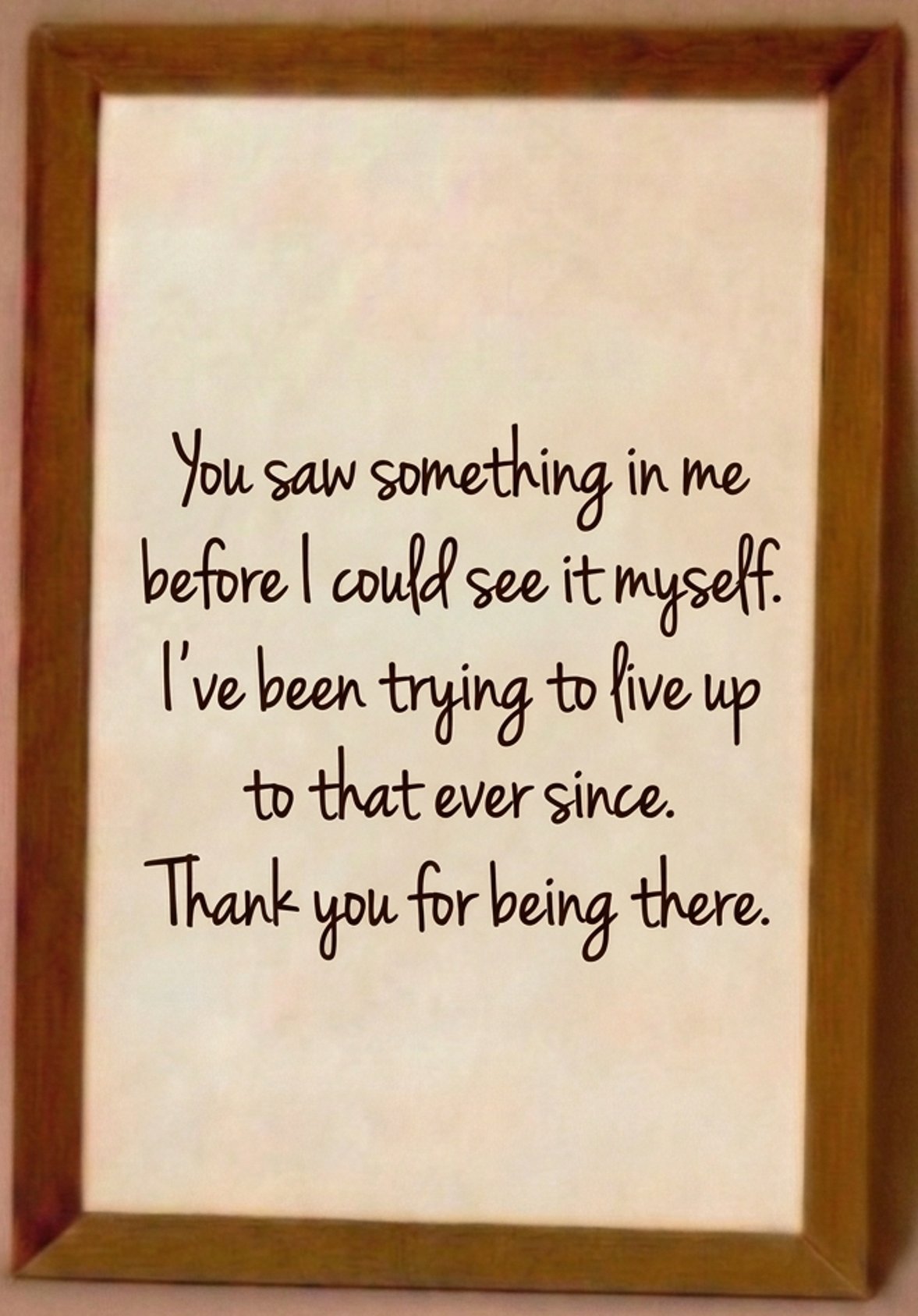
You saw something in me before I could see it myself. I've been trying to live up to that ever since. Thank you for being there.
A good mentor names something you didn't know was there. What did they name? Tell them it mattered.
"You told me I had something. At the time I…"
"I still hear your voice when…"
"Because of one thing you said, I…"
Not "you inspired me." Something concrete. A shift in how you approach something. Name it.
"Before you, I used to think…"
"You changed one thing in how I approach…"
"I've been trying to live up to that ever since…"
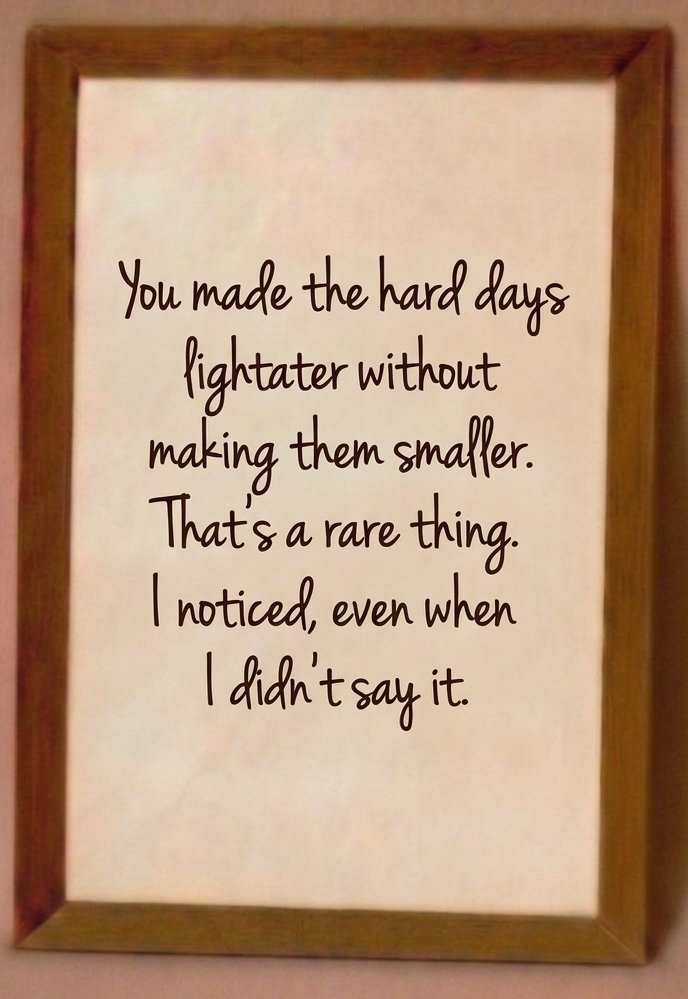
You made the hard days lighter without making them smaller. That's a rare thing. I noticed, even when I didn't say it.
Work colleagues rarely say the thing. Here's the moment to say it. Keep it specific to one act or one pattern.
"You made the hard days…"
"The way you handled…"
"I noticed, even when I didn't say it…"
The thing that made working with them distinct. Name it as a quality, not a job description.
"There's something about how you show up that…"
"Most people in your position would have…"
"Working with you taught me what it looks like to…"
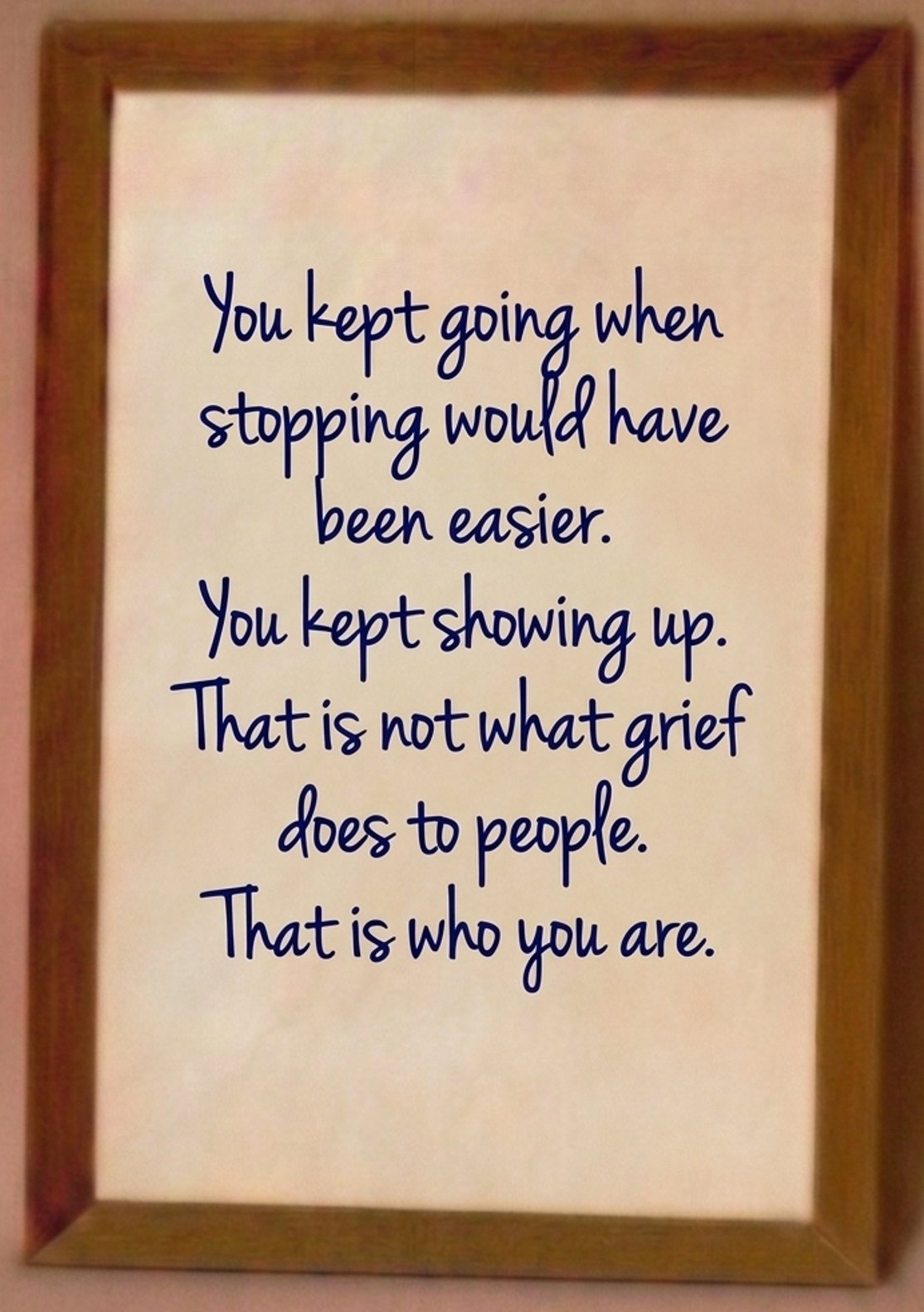
You kept going when stopping would have been easier. You kept showing up. That is not what grief does to people. That is who you are.
Grief contracts people. If they did something against that current — showed up, created, connected — name it. That's the recognition.
"You kept showing up even when…"
"Most people would have stopped. You…"
"The fact that you still…"
Not comfort. Not "it'll be okay." Just: I see you. I see who you are in this. That's enough.
"I see you in this…"
"What you're carrying is real and so are you…"
"You don't have to perform okayness for anyone…"
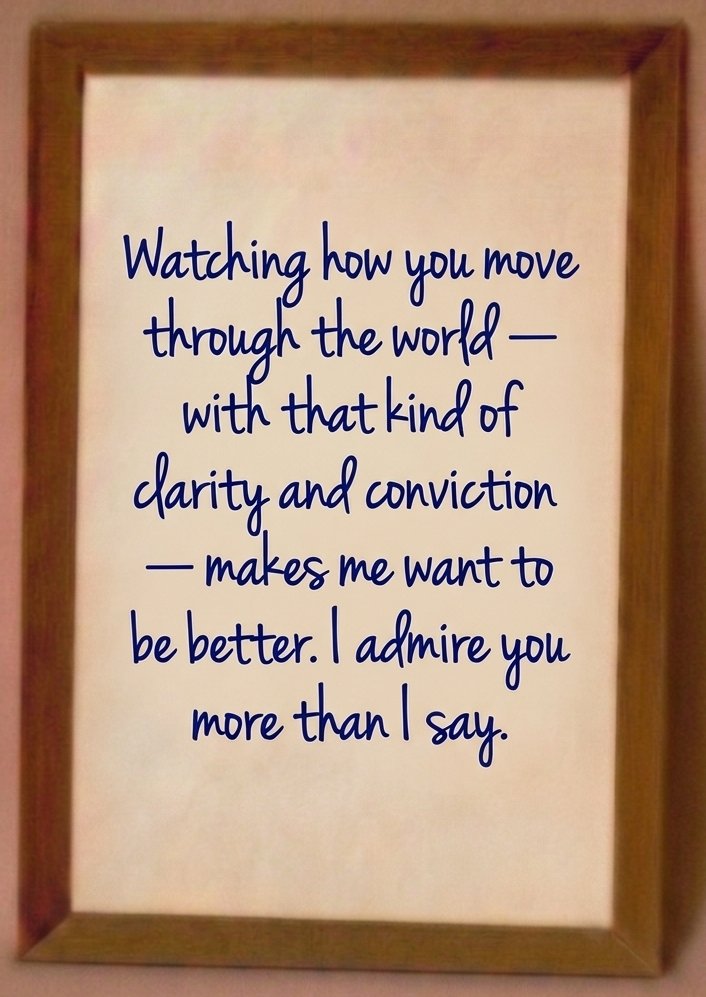
Watching how you move through the world — with that kind of clarity and conviction — makes me want to be better. I admire you more than I say.
Admiration is only meaningful when it's specific. Not "you're inspiring" — name the thing they do and what it does to you.
"Watching you…"
"I've thought about the way you handle…"
"You move through the world in a way that…"
Saying "I'm still learning this from you" is an act of respect. It's more honest than praise.
"I haven't figured out how to do what you do with…"
"There's a kind of clarity in you that I'm still…"
"I admire you more than I say. That's changing, starting here…"
Tell us one thing about them. We'll give you a line to work from.